
Why Is My Pet Suddenly Drinking More Water?
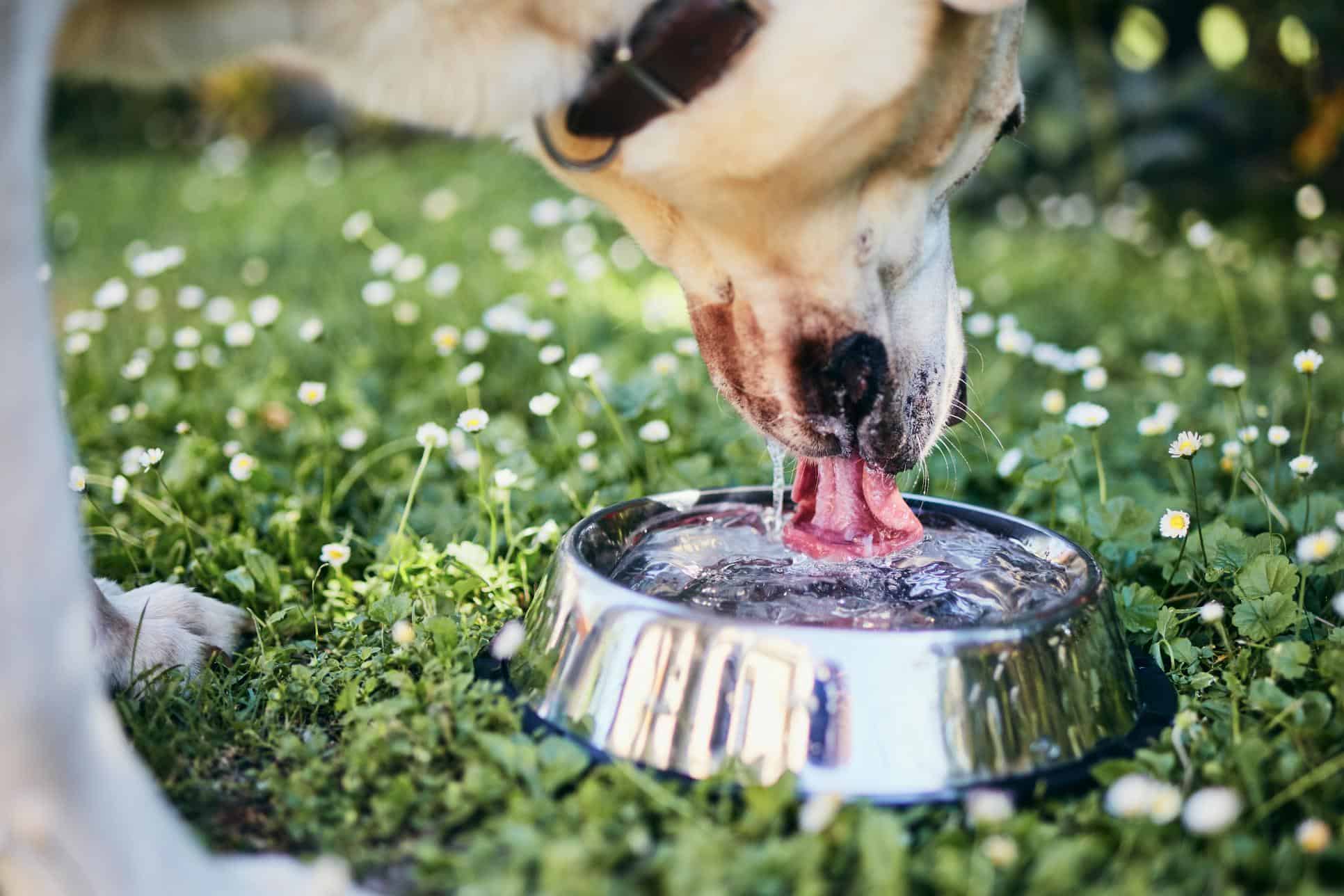
A little extra water on a hot day is usually nothing to worry about, but a noticeable change in how much your pet drinks can be an important clue about their health. Excessive thirst in pets, especially when it appears suddenly and persists for several days, can be a sign of an underlying medical condition. Changes in drinking habits, especially when accompanied by increased urination, changes in appetite, weight loss, or lower energy, can be important signs that something may be wrong.
What Excessive Thirst in Pets Can Tell You
Pets cannot tell us when something feels off, so we need to pay attention to changes in their everyday habits. If you notice your pet’s water bowl is being emptied faster than usual, don’t assume it’s simply because the weather is warmer or they’ve been more active. When that change becomes a pattern, it is worth taking a closer look.
Signs to watch for:
- Your pet is emptying their water bowl faster than usual
- They are asking to go outside more frequently
- Your cat is making more trips to the litter box
- Accidents are suddenly happening in the house
- Your pet is hungry all the time, but is losing weight
- They appear tired, weak, or less interested in normal activities
One change does not automatically mean something is wrong, but a pattern with multiple symptoms is worth getting checked out.
Diabetes in Pets
Diabetes is one possible reason for increased thirst and increased urination. When blood sugar levels remain too high, the body tries to get rid of excess glucose through the urine. This can lead to more frequent urination and, in turn, a very thirsty pet.
Other pet diabetes symptoms may include increased hunger, unexplained weight loss, weakness, or changes in energy levels. Diabetes can affect both dogs and cats, and early diagnosis can make a big difference in managing the condition.
Kidney Disease in Pets
The kidneys play an important role in concentrating urine and maintaining the body’s fluid balance. When kidney function changes, pets may produce more diluted urine, and drink more water to keep up.
Kidney disease in pets can develop gradually, and the early signs can be very subtle. Increased drinking and urination may appear before your pet seems obviously sick. Other signs can include decreased appetite, vomiting, weight loss, bad breath, or changes in energy.
Other Reasons Your Pet May Have Increased Thirst
Diabetes and kidney problems are not the only possible explanations. Increased thirst can also be associated with certain medications, hormonal conditions, urinary problems, liver disease, or other illnesses. Sometimes, environmental changes or increased activity can explain a temporary increase in water intake.
It’s important to know what is normal for your pet and what isn’t. You know their quirks, routines, and little habits better than anyone.
Pay Attention to Your Pet’s Routine
If your pet suddenly starts drinking more water than usual or making frequent trips outside, take notice. Changes in drinking and bathroom habits can be early signs that something is going on beneath the surface. Your veterinarian can examine your pet and recommend bloodwork, a urinalysis, or other testing to help determine what’s causing the change.
Don’t Ignore Changes in Your Pet’s Health
Small changes can sometimes be the first breadcrumb leading to an important diagnosis. If you have noticed excessive thirst, increased urination, or other changes in your pet’s routine, contact Adobe Animal Hospital & Laser Surgery Center to schedule an appointment.
Your Yuba City veterinarian can help determine whether your pet’s new drinking habits are harmless or deserve a closer look. A little detective work now can go a long way toward keeping your furry family member feeling their best.