
Foxtail Dangers for Pets in California
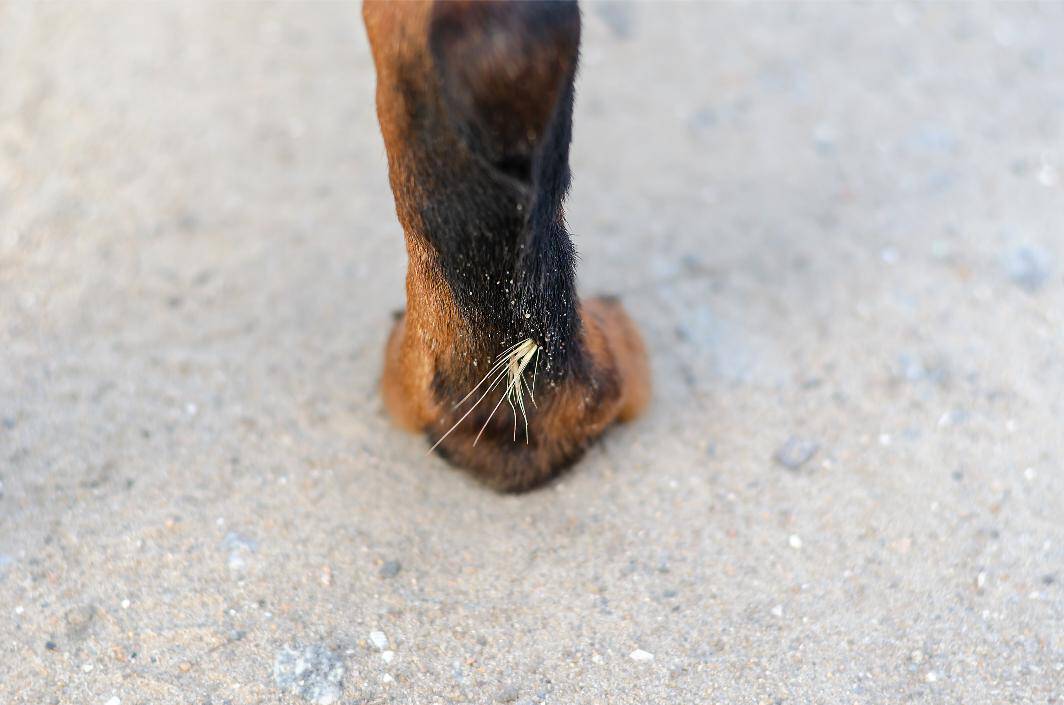
This season has been filled with heavy rains, which means an abundance of weeds. While everything may look green and beautiful, it also increases hidden dangers for pets. One of the most common and concerning summer pet risks in California is foxtails. These small, grass-like weeds can cause serious harm before you even realize there is a problem.
The Hidden Threat Lurking in Grass & Trails
Foxtails are common weeds that grow in spring and bloom in summer. They may look like ordinary grass, but they can pose a serious risk for pets. Their barbed shape allows them to easily attach to pet fur and then work their way into your pet’s body.
Once a foxtail attaches, it does not just fall off. It continues to move inward, which is what makes grass awn injuries in pets so dangerous. These weeds can travel beneath the skin and into deeper tissues, which could lead to infections and complications that can quickly become severe if left untreated.
Prevention Starts with Knowing the Risks
Understanding where foxtails grow and how they behave is the first step in protecting your pet. They are most commonly found in dry grass, fields, unmarked trails, and even in your own backyard if grass is left untrimmed.
Pets that spend time outdoors, especially dogs that like to run and explore, are at a higher risk. Even a quick walk can turn into a problem if foxtails are present. Being aware of your surroundings and taking a few preventive steps can make all the difference during summer in California.
Keep Your Pet Safe from This Sneaky Outdoor Danger
It is important to know how to keep your pet safe during foxtail season. Here are some steps to help ensure your pet has a great summer season:
- Avoid areas with unkept grass, open fields, and off-trail hiking paths.
- Keep your dog groomed with shorter hair during the summer. This helps prevent heat-related issues, and reduces the chance of foxtails clinging to their coat.
- Inspect your pet after each walk. Check their paws, inside their ears, and around their face and neck for anything that may be stuck.
If you find a foxtail embedded in your pet, do not try to remove it yourself. Once it has penetrated the skin, improper removal can cause it to break apart under your pet’s skin. This increases the risk of migration and serious infection since foxtails do not break down over time. In these situations, it is important to contact your veterinarian right away.
Symptoms to Watch For
Foxtails burrow into a pet’s skin, ears, nose, eyes, and mouth. Because they continue to push inward, they can cause severe infections and, over time, may even lead to organ damage.
If your pet has any of these symptoms, they may have a foxtail awn irritating them:
- Constant head shaking may be a sign of an infection in your pet’s ear.
- Constant paw licking can indicate that a weed or splinter is stuck.
- Violent sneezing or sudden nosebleeds can be a sign that one is inside their nose.
- Red eyes with constant squinting and discharge may indicate that one is trapped under the eyelid.
Always watch for signs of distress, like odd behavior, swelling, or sudden abscesses. These can all point to grass awn injuries in pets and should never be ignored.
Protect Your Pet from Grass Awn Injuries
Foxtails may be small, but the danger they pose is anything but. Staying alert, knowing the risks, and acting quickly can help prevent serious health issues for your pet.
If you suspect your pet has been exposed or is showing symptoms, do not wait. The team at Adobe Animal Hospital is here to help. As a trusted Yuba City vet, they understand how common foxtail cases for dogs are in CA and how quickly they can escalate.
Schedule an exam today to protect your pet from hidden outdoor dangers and keep them safe all summer long.