
Helping Your Pet Stay Comfortable and Active After Surgery
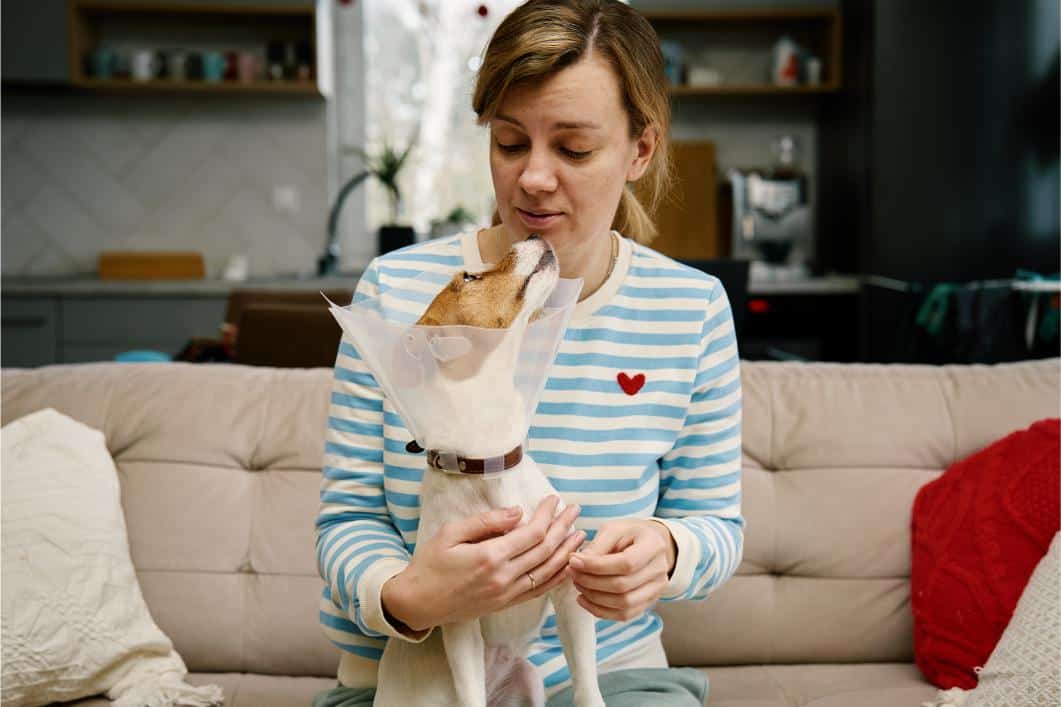
Once your pet is home after surgery, your attention naturally turns to keeping them comfortable while they heal. Effective pet pain relief supports more than comfort. It can promote rest, improve pet mobility, and help the recovery process go more smoothly.
At Adobe Animal Hospital & Laser Surgery Center in Yuba City, CA, we help pet owners understand what to expect after a procedure and how to provide attentive care at home.
Comfort Is an Important Part of Healing
Some discomfort is expected after surgery, but uncontrolled pain can interfere with healing. A pet who hurts may avoid eating, drinking, sleeping, or moving enough to support a healthy recovery. Pain can also increase stress and make it harder for you to examine an incision or provide necessary care.
Your pet’s pain management plan will depend on factors such as the procedure performed, their age and health, and the anticipated level of discomfort. Our veterinarian, Dr. Harry, may recommend medication before, during, or after surgery to help keep pain under control.
Some procedures may be performed with a CO2 surgical laser rather than a traditional scalpel. The laser precisely cuts tissue while sealing small blood vessels and nerve endings, which may reduce bleeding, swelling, inflammation, and postoperative discomfort. Beyond surgical applications, veterinary laser therapy can also be a non-invasive treatment for pet pain and injuries.
How Can You Tell If Your Pet Is in Pain?
Dogs and cats can be remarkably good at concealing discomfort. Rather than crying or limping, your pet may simply seem a little unlike themselves after surgery. Watch for changes such as:
- Hiding or avoiding family members
- Restlessness or difficulty getting comfortable
- Reluctance to stand, walk, or use stairs
- Reduced interest in food or water
- Panting, trembling, or unusual vocalizing
- Irritability when approached or touched
- Excessive licking near the surgical site
- Changes in posture or bathroom habits
Some sleepiness and reduced activity may be normal shortly after anesthesia. However, contact your veterinarian if symptoms are severe, appear to be worsening, or don’t match the recovery instructions you received.
Supporting a Comfortable Recovery at Home
Medication works best when it’s combined with a calm, supportive environment. Follow all discharge instructions closely, and never give your pet human pain relievers unless your veterinarian specifically directs you to do so. Common over-the-counter medications can be dangerous for dogs and cats.
You can also make recovery easier by:
- Providing a quiet, temperature-controlled resting area
- Using nonslip rugs to improve traction
- Blocking access to stairs and furniture
- Restricting running, jumping, and rough play
- Checking the incision as instructed
- Using an Elizabethan collar or recovery garment if prescribed
- Keeping food, water, and bedding within easy reach
As the weather cools, pets with arthritis or existing joint problems may also experience cold weather stiffness. Mention any mobility changes to your veterinary team. Your pet’s postoperative plan may need to account for both surgical discomfort and an ongoing condition requiring arthritis treatment.
Follow Your Pet’s Recovery Instructions
Your pet may begin acting like their usual self before their body has fully healed. Although renewed energy is encouraging, allowing too much activity too soon could strain the surgical area or delay recovery. Resume walks and play only according to your veterinarian’s timeline, and keep any recommended follow-up appointments.
If your pet is preparing for surgery or appears uncomfortable during recovery, Adobe Animal Hospital & Laser Surgery Center is ready to help. Call (530) 673-4744 to book an appointment and receive guidance tailored to your pet’s needs.